

The Manchester City case is about a football club, but its story runs through a remarkable cast of owners, executives, managers, players, agents, sponsors, lawyers and regulators.
The Premier League brought its case against Manchester City Football Club Limited, not against any individual. The commission ultimately found the club guilty of the substantive financial charges and most of the allegations concerning its failure to cooperate with the investigation.
But understanding what happened means tracking the many people who are named in emails, contracts, and payments, who ran the club while those arrangements operated, who defended it before regulators, who gave evidence, and who represented sponsors.
So, from Sheikh Mansour and Pep Guardiola to Rui Pinto and the wonderfully named Lord Pannick, this is the Sports and Crime Briefing’s Who’s Who of the Manchester City case
Manchester City’s ownership, leadership and financial trail
Khaldoon Al Mubarak · Omar Berrada · Jorge Chumillas · Simon Cliff · Garry Cook · Martin “Marty” Edelman · John MacBeath · Sheikh Mansour bin Zayed Al Nahyan · Simon Pearce · Ferran Soriano · Graham Wallace · Andrew Widdowson
Managers, players and agents
Pep Guardiola · Roberto Mancini · Enzo Maresca · Dimitri Seluk · Yaya Touré
Fordham, image rights and financial intermediaries
David Rowland · Jonathan Rowland
Abu Dhabi sponsors, officials and intermediaries
Omar Awad · Mohammad Harib · James Hogan · Jaber Mohamed
The people who exposed and investigated the case
Rui Pinto · Richard Masters · Sir Gary Hickinbottom · Murray Rosen KC
The earlier UEFA case
Rui Botica Santos · José da Cunha Rodrigues · Ulrich Haas · Gianni Infantino · Andrew de Lotbinière McDougall · Manfred Nan · Michel Platini
Manchester City’s lawyers
Paul Harris KC · Philip Marshall KC · Lord David Pannick KC
The Premier League’s lawyers
Andrew Hunter KC · Adam Lewis KC · Jason Pobjoy KC
Manchester City’s owners and leaders
Khaldoon Al Mubarak
Manchester City chairman since 2008; founding chairman of City Football Group
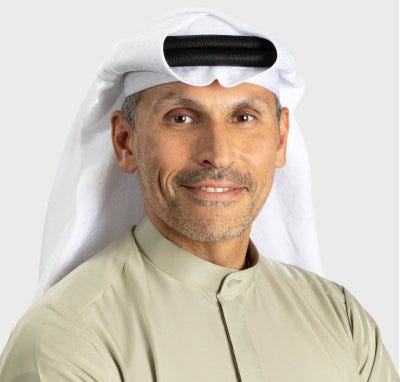
Khaldoon Al Mubarak has been the public face of Sheikh Mansour’s ownership almost from the beginning. He became chairman after the 2008 takeover and has since overseen City’s transformation from an ambitious Premier League club into the centrepiece of a global football group. His influence also extends well beyond football: he is chief executive of sovereign investor Mubadala and one of Abu Dhabi’s most senior business figures.
He has also been one of the club’s most persistent public defenders. When City first came under serious UEFA scrutiny, Al Mubarak repeatedly insisted that the club would ultimately be vindicated. That confidence became part of City’s public identity during the regulatory battles that followed.
Omar Berrada
Manchester United chief executive; formerly a senior City Football Group executive
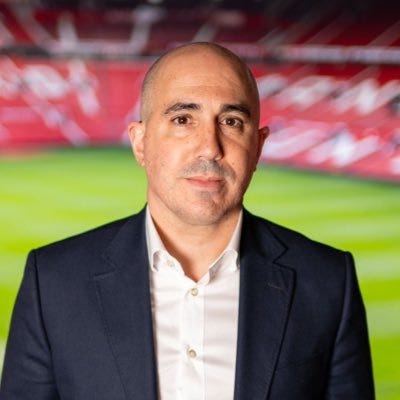
Omar Berrada spent more than a decade inside Manchester City and City Football Group before making one of the most conspicuous executive moves in English football. He joined City from Barcelona in 2011, rose through its commercial structure and eventually became CFG’s chief football operations officer before crossing to United in 2024.
His City career spanned years in which CFG was expanding aggressively and the club’s financial model was coming under increasing regulatory scrutiny. By the time he left, Berrada had worked across both the commercial and football sides of the group, making him one of the most senior executives to emerge from the City system and go on to run one of its biggest rivals.
Jorge Chumillas
Former Manchester City and City Football Group chief financial officer
Jorge Chumillas’ emails offer a glimpse of senior City executives trying to understand how sponsorship money would actually reach the club.
In a 2013 exchange, he asked Simon Pearce to clarify whether additional funding would move through ADUG and Etihad before reaching City. Other correspondence drew distinctions between what sponsors themselves were contributing and money supplied from elsewhere in Abu Dhabi.
Those exchanges became important because the Premier League case turned on precisely that question: whether sponsorship income recorded as commercial revenue was genuinely being supplied by the named sponsors. Chumillas also appears in the Fordham correspondence, connecting him to another disputed financial structure.
Simon Cliff
City Football Group general counsel
Simon Cliff has been part of Manchester City’s legal architecture since the ownership changed hands. He advised ADUG on the 2008 acquisition, then joined the organisation permanently and ultimately became City Football Group’s general counsel.
His importance lies partly in the way City prepared for and fought regulation. Leaked correspondence from the early Financial Fair Play battles showed Cliff involved in internal discussions about how aggressively the club should respond to UEFA, including litigation strategy.
He also served as a director of the company that became Fordham Sports Image Rights.
Garry Cook
Manchester City chief executive, 2008–2011
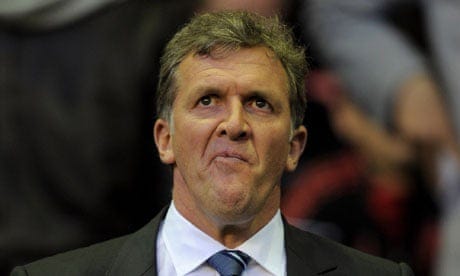
Garry Cook became City chief executive just before the Abu Dhabi takeover and then helped oversee the first, extraordinarily rapid phase of the new ownership’s expansion. He was in charge as major sponsorship agreements were being built and as the club recruited the players and managers intended to turn investment into trophies.
His role becomes particularly important in the Roberto Mancini remuneration story. When Mancini’s lawyer sought changes to the manager’s Al Jazira consultancy agreement, she dealt with Cook, and the correspondence discussed those payments as part of Mancini’s wider compensation.
That documentary trail is why Cook matters to the case far more than simply because he held the chief executive title. The details later surfaced in reporting on the Mancini payments.
Martin “Marty” Edelman
City Football Group director and longtime adviser to the ownership
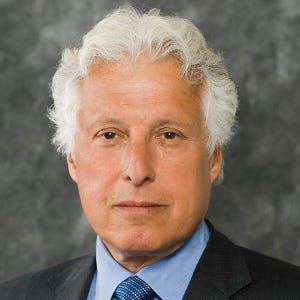
Martin Edelman has been part of the ownership’s senior circle since the early days of Sheikh Mansour’s takeover. An American lawyer and businessman, he joined City’s board in 2008 and later became a City Football Group director, while also advising Abu Dhabi-linked businesses outside football.
His connection to City extends well beyond football governance. Edelman has also been involved in Abu Dhabi-backed property investment in Manchester, including Manchester Life, linking the club’s ownership to the broader regeneration strategy around the Etihad campus.
John MacBeath
Manchester City director; interim chief executive, 2011–2012
John MacBeath briefly ran Manchester City during an important transitional period between Garry Cook’s departure and Ferran Soriano’s arrival. His time as interim chief executive falls squarely inside the years later examined by the commission.
His connection goes beyond chronology. Companies House records show that MacBeath became a director of the company later known as Fordham Sports Image Rights in May 2012, alongside Simon Cliff, before both resigned the following year.
Sheikh Mansour bin Zayed Al Nahyan
Manchester City owner
Sheikh Mansour bought Manchester City in 2008 through Abu Dhabi United Group and immediately changed the scale of what the club could spend and build. In his first message to supporters after the takeover, he presented the investment as a long-term project rather than a short burst of spending, with Khaldoon Al Mubarak installed as chairman to oversee it.
The ownership funding later became central to the Premier League case. The commission concluded that hundreds of millions of pounds recorded as sponsorship revenue had actually been supplied by ADUG and that the ownership vehicle had also funded costs properly attributable to City.
Simon Pearce
Manchester City director; adviser within Abu Dhabi’s Executive Affairs Authority
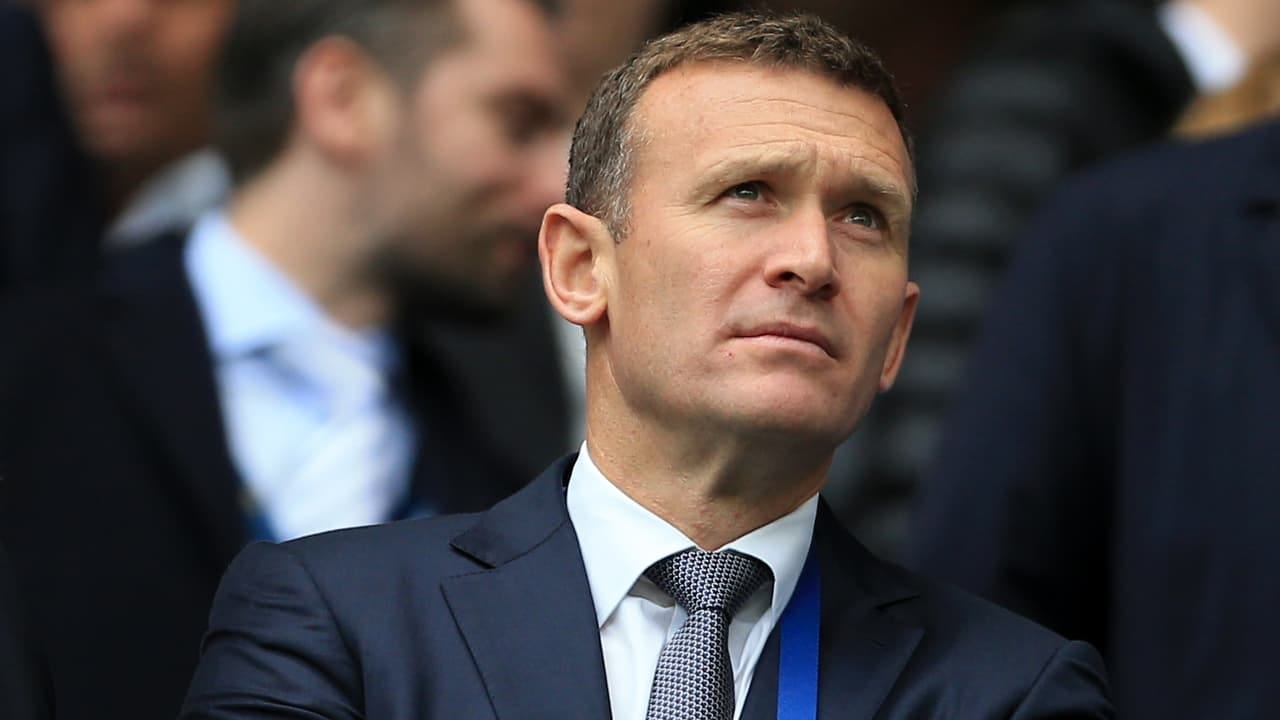
Simon Pearce is one of the most important individual names in the documentary trail because he repeatedly appears where Manchester City, its sponsors and Abu Dhabi’s institutions intersect.
Leaked emails show senior City finance executives asking Pearce how much sponsors such as Etihad and Aabar would actually contribute and how additional money would be provided from Abu Dhabi-linked sources. Other exchanges place him close to transfers and internal discussions about how funding should be structured.
More recent reporting has again put Pearce near the centre of the funding arrangements involving ADUG, making him one of the most important figures for understanding how the money moved between ownership, sponsors and the club.
Ferran Soriano
Manchester City and City Football Group chief executive since 2012
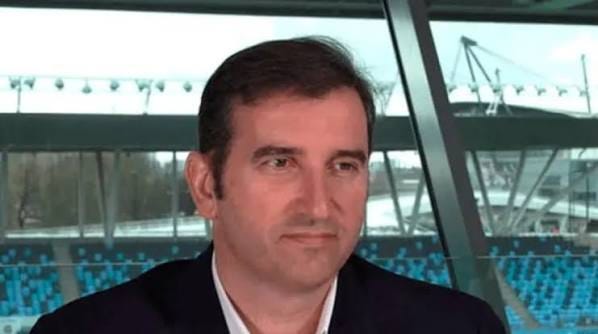
Ferran Soriano arrived from Barcelona in 2012, inheriting a club already moving rapidly into the Financial Fair Play era. He subsequently became the executive architect of City Football Group’s global expansion while remaining chief executive through the investigations, hearing and verdict.
That long tenure means Soriano appears on both sides of the story. He was running the organisation while some disputed financial arrangements were still operating, and he later became one of its strongest defenders when regulators challenged them.
After the commission ruled against City, Soriano publicly rejected its reasoning and described the case as resting on a false theory, placing him firmly at the centre of the club’s post-verdict response.
Graham Wallace
Former Manchester City chief financial and operating officer
Graham Wallace was one of the executives responsible for Manchester City’s finances during the early years of Financial Fair Play, first as chief financial officer and later as chief operating officer.
His name matters particularly because of Roberto Mancini’s Al Jazira consultancy arrangement. In one leaked email, Wallace asked City finance staff to follow the usual process for sending money through ADUG so that Al Jazira could make a payment under Mancini’s consultancy structure.
That correspondence appears in the Mancini trail and places Wallace directly inside the administrative chain behind one of the most contested remuneration arrangements in the case.
Andrew Widdowson
Former Manchester City head of finance
Leaked correspondence shows him seeking Simon Pearce’s help in arranging payments connected to Abu Dhabi sponsors. In one exchange, he wrote that money needed to arrive through the “correct channels” rather than appear as separate sources of funding.
That phrase became particularly significant once regulators began trying to determine whether City’s reported commercial income reflected the true source of the money. Widdowson’s correspondence provides a rare glimpse of the day-to-day financial mechanics behind what later became a much larger regulatory battle.
Managers, players and agents
Pep Guardiola
Manchester City manager, 2016–2026
Pep Guardiola managed Manchester City for the final seasons covered by the Premier League’s financial case and remained in charge throughout most of the subsequent investigation.
He repeatedly defended the club publicly. In 2022, Guardiola said he had asked City’s hierarchy to tell him the truth about the allegations and that he would leave if lied to.
Guardiola left City in 2026, before the commission published its findings.
Roberto Mancini
Manchester City manager, 2009–2013
Roberto Mancini joined Manchester City in December 2009 and won the FA Cup in 2011 and Premier League in 2012.
Alongside his Manchester City employment contract, Mancini also held a consultancy agreement with Al Jazira in Abu Dhabi. The commission found that £8.866 million funded by ADUG represented liabilities belonging to Manchester City and should have been included in City’s accounts and remuneration reporting.
The arrangement and its tax implications have since been examined in detail through the leaked contracts and correspondence concerning the Mancini payments.
Enzo Maresca
Manchester City manager since 2026
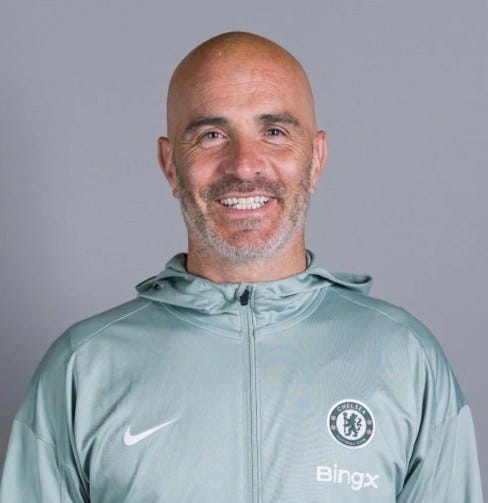
Enzo Maresca previously coached Manchester City’s elite development squad and served as Pep Guardiola’s assistant during the club’s 2022–23 treble season.
City appointed him manager in June 2026 following Guardiola’s departure. The independent commission delivered its financial findings several months into Maresca’s first season in charge, leaving him managing the team while City pursued its appeal.
Dimitri Seluk
Former agent of Yaya Touré
Dimitri Seluk represented Yaya Touré for most of the midfielder’s Manchester City career.
When the Premier League announced its charges in 2023, reporting connected one player-remuneration allegation with Touré and Seluk. Seluk denied receiving undisclosed money and said that all payments involving him had been properly declared. His public denial followed publication of the Premier League charges.
Yaya Touré
Manchester City midfielder, 2010–2018
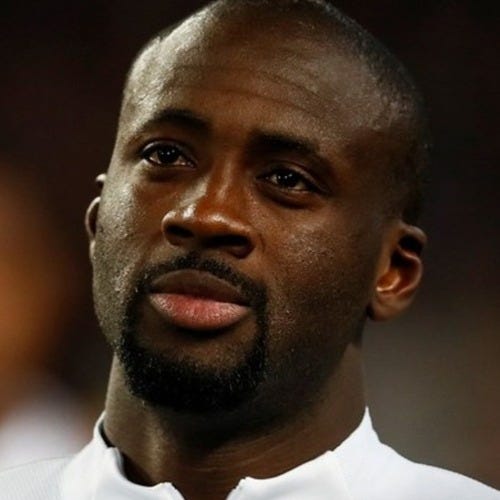
Yaya Touré joined Manchester City from Barcelona in 2010 and remained at the club until 2018.
Earlier reporting connected Touré and his then-agent Dimitri Seluk with allegations concerning player remuneration and image-rights payments. Seluk publicly denied that undisclosed payments had been made.
The 2026 commission decision redacts the identity of the player involved in its £7.4 million remuneration and image-rights findings. The published ruling therefore does not identify Touré as that player.
Fordham, image rights and financial intermediaries
David Rowland
British financier; controlling shareholder of Fordham Sports Image Rights
Manchester City transferred its player image-rights business to the company that became Fordham Sports Image Rights. City recorded a £24.5 million lump sum from the arrangement in its 2012–13 financial results.
Companies House identifies David Rowland as Fordham’s person with significant control, holding at least 75 per cent of its shares and voting rights and the right to appoint or remove directors.
The commission later examined City’s accounting for Fordham, including the treatment of income and the transfer of image-rights costs.
Jonathan Rowland
Financier; former Fordham director
Jonathan Rowland, David Rowland’s son, became a director of Fordham Sports Image Rights on 1 July 2013 and resigned on 2 January 2014.
The appointment came immediately after Simon Cliff and John MacBeath resigned as directors and after Manchester City Football Club (Image Rights) Limited was renamed Fordham Sports Image Rights. The company was ultimately dissolved in January 2024.
Abu Dhabi sponsors, officials and intermediaries
Omar Awad
Finance official within Abu Dhabi’s Executive Affairs Authority
Omar Awad appears in leaked emails dealing directly with transfers from ADUG accounts.
On 24 October 2013, Simon Pearce asked Awad to send £31.7 million to Manchester City from an ADUG sterling account. Later that day, Awad replied that the payment had been processed and subsequently arranged for City to receive the transfer confirmation.
Mohammad Harib
Etisalat executive
Mohammad Harib gave evidence during Manchester City’s earlier UEFA and CAS proceedings concerning the club’s Abu Dhabi sponsorship arrangements.
His evidence concerned Etisalat and the commercial basis of its relationship with Manchester City. The Etisalat sponsorship was among the arrangements examined during the earlier UEFA dispute and later returned to prominence in the Premier League proceedings.
James Hogan
Etihad Airways chief executive, 2006–2017
James Hogan was Etihad Airways chief executive when the airline became Manchester City’s shirt sponsor in 2009. He announced the original three-year deal alongside Garry Cook. 2009 sponsorship
Hogan later gave evidence for Manchester City during its 2020 CAS appeal. The CAS panel considered evidence from Hogan, Simon Pearce and other witnesses when examining how Etihad funded its sponsorship payments. CAS evidence
Jaber Mohamed
Former general director of Abu Dhabi’s Crown Prince Court
Jaber Mohamed is connected to two £15 million payments associated with Etisalat in 2012 and 2013.
Manchester City had previously described Mohamed to UEFA as a financial broker. Evidence examined during the later Premier League case identified him as the general director of Abu Dhabi’s Crown Prince Court.
His position has become part of City’s appeal arguments over whether some sponsorship funding came from ADUG or from Abu Dhabi government sources. The dispute over the two payments and City’s previous evidence to UEFA was detailed in reporting on the Mohamed payments. The Times
The people who exposed and investigated the case
Rui Pinto
Founder of Football Leaks
Rui Pinto founded Football Leaks in 2015 and supplied journalists with a large cache of confidential football documents.
Material obtained by Pinto formed the basis of Der Spiegel reporting on Manchester City’s sponsorship funding and Financial Fair Play arrangements and later featured in investigations by UEFA and the Premier League.
Pinto subsequently cooperated with European authorities while under Portuguese witness protection. Days after the 2026 City verdict, Reuters reported that his protection was due to end on 10 October.
Richard Masters
Premier League chief executive
Richard Masters has been Premier League chief executive since 2019 and headed the league throughout the latter stages of its Manchester City investigation, the independent-commission hearing and the publication of the verdict.
The league first charged City in February 2023. Masters continued to face public questions about the length of the proceedings, acknowledging in August 2026 that he understood frustration over the delay.
After the commission published its findings, Masters issued the Premier League’s response to the decision.
Sir Gary Hickinbottom
Chair of the Premier League Judicial Panel
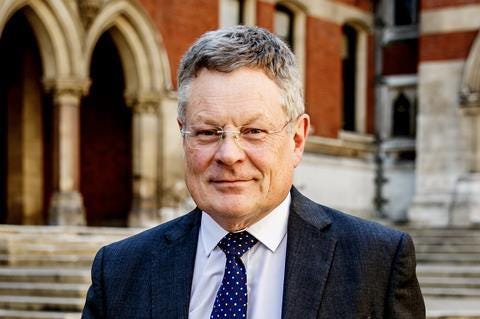
Premier League clubs unanimously approved Sir Gary Hickinbottom as chair of the independent Judicial Panel in February 2025 for a five-year term.
Hickinbottom is a former Court of Appeal judge. Under Premier League rules, the chair of the Judicial Panel appoints members of the panel to independent commissions and Appeal Boards. judicial system
He succeeded Murray Rosen KC.
Murray Rosen KC
Former chair of the Premier League Judicial Panel
Murray Rosen KC was chair of the Premier League Judicial Panel when the Manchester City proceedings were initiated.
The Premier League has confirmed that Rosen held the position at the time of the complaint against City. Sir Gary Hickinbottom subsequently succeeded him in 2025. appeal process
The earlier UEFA case
Rui Botica Santos
President of the 2020 CAS panel
Rui Botica Santos chaired the three-member Court of Arbitration for Sport panel that heard Manchester City’s appeal against UEFA’s 2020 punishment.
UEFA had imposed a two-season ban from European competition and a €30 million fine. CAS overturned the ban and reduced the fine to €10 million, finding that some alleged breaches had not been sufficiently established while others were time-barred.
José da Cunha Rodrigues
Former chair of UEFA’s Club Financial Control Body adjudicatory chamber
José da Cunha Rodrigues chaired UEFA’s Club Financial Control Body adjudicatory chamber when it ruled against Manchester City in February 2020.
The chamber banned City from UEFA club competitions for two seasons and imposed a €30 million fine after finding serious breaches of Financial Fair Play rules and failures to cooperate with the investigation.
CAS later overturned the European ban and reduced the fine.
Ulrich Haas
CAS arbitrator
Ulrich Haas sat on both of Manchester City’s principal CAS proceedings against UEFA.
In 2019, he was a member of the panel that ruled City’s attempt to challenge UEFA’s referral of its case was premature. In 2020, he sat on the panel hearing City’s substantive appeal against UEFA’s sanctions.
Gianni Infantino
UEFA general secretary during City’s 2014 FFP settlement
Gianni Infantino was UEFA general secretary when Manchester City negotiated its first major Financial Fair Play settlement in 2014.
Football Leaks documents subsequently revealed discussions involving Infantino and City chief executive Ferran Soriano during the negotiations. Infantino later defended UEFA’s use of negotiated settlements with clubs facing FFP sanctions.
Andrew de Lotbinière McDougall
CAS arbitrator
Andrew de Lotbinière McDougall sat on Manchester City’s CAS panels in both 2019 and 2020.
He was therefore involved first in the procedural ruling rejecting City’s early challenge to UEFA’s referral and later in the appeal that overturned City’s two-season European ban.
Manfred Nan
President of the 2019 CAS panel
Manfred Nan chaired the CAS panel hearing Manchester City’s 2019 challenge to UEFA.
City attempted to appeal UEFA’s decision to refer the investigation to its adjudicatory chamber before a final sanction had been imposed. The panel dismissed the case as premature, requiring City to complete UEFA’s internal process first.
Michel Platini
UEFA president during the introduction of Financial Fair Play
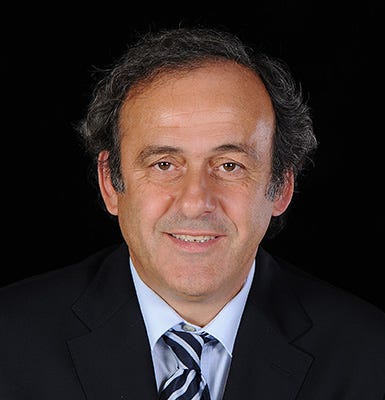
Michel Platini was UEFA president when its executive committee approved the Financial Fair Play regulations in May 2010.
The regulations introduced financial requirements linking clubs’ expenditure more closely to their revenues and were phased into UEFA’s licensing system over the following seasons. Manchester City later reached a settlement with UEFA over FFP breaches in 2014.
Manchester City’s lawyers
Paul Harris KC
Senior counsel for Manchester City
Paul Harris KC led Manchester City’s legal team during its successful 2020 appeal against UEFA at the Court of Arbitration for Sport.
He subsequently continued to represent City in disputes involving the Premier League, including proceedings connected to the historical financial investigation and other challenges to league rules.
Philip Marshall KC
Counsel for Manchester City
Philip Marshall KC was part of Manchester City’s legal team during the independent-commission proceedings.
Marshall practises in commercial litigation, civil fraud and international disputes. He worked alongside Lord Pannick KC and Paul Harris KC in City’s defence during the financial case. His involvement was reported when the two sides’ legal teams were identified.
Lord David Pannick KC
Lead counsel for Manchester City

Lord David Pannick KC led Manchester City’s defence before the independent Premier League commission.
He had previously represented City in other disputes with the Premier League and was retained for the hearing into the historical financial charges, which began in September 2024. His role as City’s lead advocate was confirmed when the hearing began.
The Premier League’s lawyers
Andrew Hunter KC
Counsel for the Premier League

Andrew Hunter KC was part of the Premier League’s legal team prosecuting its financial case against Manchester City.
He worked alongside Adam Lewis KC and Jason Pobjoy KC during the independent-commission proceedings. The three were identified as members of the league’s legal team.
Adam Lewis KC
Leading counsel for the Premier League
Adam Lewis KC led the Premier League’s case against Manchester City before the independent commission.
He had already represented the Premier League in earlier proceedings concerning City’s compliance with the league investigation and the production of documents and information.
Jason Pobjoy KC
Counsel for the Premier League
Jason Pobjoy KC worked alongside Adam Lewis KC and Andrew Hunter KC for the Premier League during the Manchester City proceedings.
He had also represented the Premier League in other financial-regulation litigation, including proceedings arising from Everton’s breaches of the Profitability and Sustainability Rules.