

On 7 October 2026, US lawmakers launched a bipartisan investigation into the Amateur Athletic Union (AAU), one of America’s largest youth sports organisations, demanding answers about its handling of sexual abuse allegations and why it failed to deliver safeguarding reforms promised fourteen years earlier.
The inquiry follows an extensive investigation by ProPublica and The Washington Post that exposed shortcomings in the AAU’s disciplinary procedures, identified coaches who continued working with children despite bans imposed by other sporting bodies, and documented the obstacles families faced when trying to hold the organisation accountable.
The findings raise serious questions about how the AAU protects the hundreds of thousands of young athletes participating in its competitions. Why did banned coaches continue working with children? Why did an internal disciplinary panel clear a senior official accused of abuse without interviewing potential witnesses? And why did the organisation leave so many of its promised reforms unfinished?
Here are five takeaways from the findings driving Congress’s investigation, and what could happen next.
1. How Could Banned Coaches Continue Working With Children?
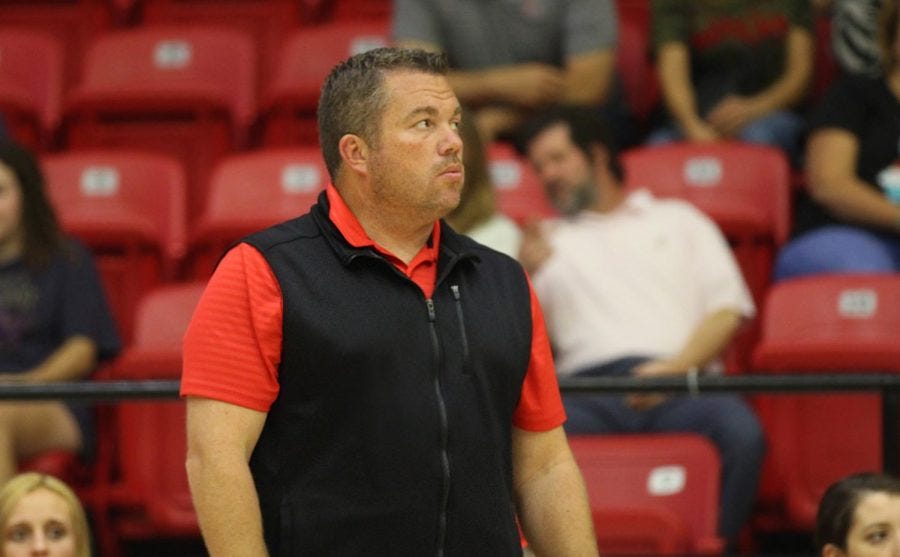
On 19 February 2026, the US Center for SafeSport permanently banned Ryan Richardson, a volleyball coach from Pharr, Texas, after finding that he had engaged in sexual misconduct involving a minor, an inappropriate relationship with a minor, physical misconduct and bullying.
The following day, Richardson was back training teenage girls at his gym, Texas Fierce Elite. He posted a video of the session online.
According to an investigation by ProPublica and The Washington Post, Richardson continued coaching throughout his suspension. In March 2025, he appeared at a volleyball tournament in Kentucky that accepted memberships from the Junior Volleyball Association (JVA), which operates outside SafeSport’s jurisdiction. JVA subsequently renewed his membership despite rules excluding coaches on SafeSport’s disciplinary list.
The AAU told journalists that it had independently banned Richardson in November 2024. Yet ProPublica subsequently identified another AAU-registered volleyball club, The Complex, operating from Richardson’s gym address. The AAU did not answer questions about the club’s ownership.
Richardson denied wrongdoing when initially suspended and has not been criminally charged. In September 2026, Homeland Security Investigations opened a separate child exploitation inquiry following the journalists’ reporting.
His case was not unique. The investigation identified eight previously banned or suspended coaches who had worked with children in AAU programmes during the preceding five years.
Among them was California volleyball coach Elias Perez, who continued coaching boys through an AAU programme after SafeSport temporarily suspended him following allegations from a former player. Perez denied inappropriate contact during the investigation. SafeSport permanently banned him in April 2026.
The problem lies partly in the fragmented American sports system. SafeSport sanctions bind Olympic and Paralympic governing bodies, but independent organisations such as the AAU are not automatically required to enforce them.
The AAU promised in 2012 to exclude coaches banned elsewhere. Congress now wants to know how it enforces disciplinary restrictions and why those safeguards failed to prevent previously sanctioned coaches from working in its programmes.
2. How Did the AAU Break Fourteen Years of Safeguarding Promises?
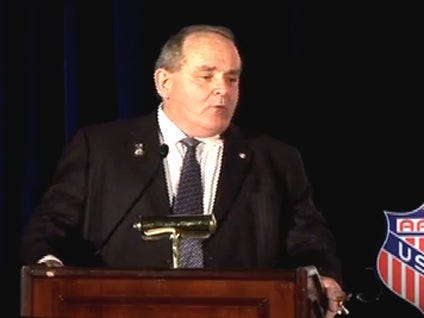
In 2011, two men accused Robert ‘Bobby’ Dodd, then president of the Amateur Athletic Union, of sexually abusing them when they were young basketball players in the 1980s. Dodd denied the allegations, resigned and was never criminally charged.
The scandal prompted the AAU to announce sweeping safeguarding reforms in 2012. The organisation promised mandatory background checks, sexual abuse prevention training, restrictions on adults being alone with children and measures to exclude coaches banned by other youth sports organisations.
The AAU had already received warnings. In 2004, The Seattle Times identified dozens of people with felony convictions coaching AAU teams in Washington and Idaho, including a convicted murderer. At the time, becoming an AAU coach required little more than paying a membership fee. Dodd promised to consider background screening, but universal checks were not introduced until after his resignation.
Even the 2012 reforms did not prevent further controversies. That same year, the AAU gave a leadership award to Rick Butler, a prominent volleyball coach whom USA Volleyball had banned in 1995 following findings involving sexual relationships with teenage players. Butler continued coaching through AAU competitions until 2018, when the organisation finally banned him.
Other promises remained incomplete. The AAU directed coaches towards an online course developed by the Positive Coaching Alliance, but its content focused largely on coaching techniques and character development rather than comprehensive sexual abuse prevention. Jason Sacks, the training provider’s chief executive, subsequently told ProPublica that the course was not designed to satisfy federal abuse-prevention training requirements.
The organisation also struggled to ensure coaches completed the training. Although approximately 20,000 people initially participated, completion numbers declined even as AAU membership expanded.
When ProPublica and The Washington Post questioned the AAU in November 2025, its website changed the description of the course from mandatory to encouraged. Eight days after the journalists submitted their questions, AAU officials contacted the training provider about developing more substantial safeguarding material.
Another promised reform was an abuse-reporting hotline. By 2026, callers reached the organisation’s general office telephone menu, which had no dedicated option for reporting abuse but did offer one for ordering medals.
3. Did the AAU Clear Officials Accused of Abuse Without Interviewing Witnesses?
In January 2018, Ashlee Orndorff, a former Nevada basketball player and Gatorade Player of the Year, publicly accused Matt Williams, her former coach and an AAU vice-president, of sexually abusing her when she was a teenager.
Williams also ran Jam On It, a major basketball tournament business affiliated with the AAU. He denied abusing Orndorff as a minor but acknowledged fathering a child with her when she was 19.
The AAU placed Williams on administrative leave and referred the allegations to its Board of Review, an internal disciplinary panel.
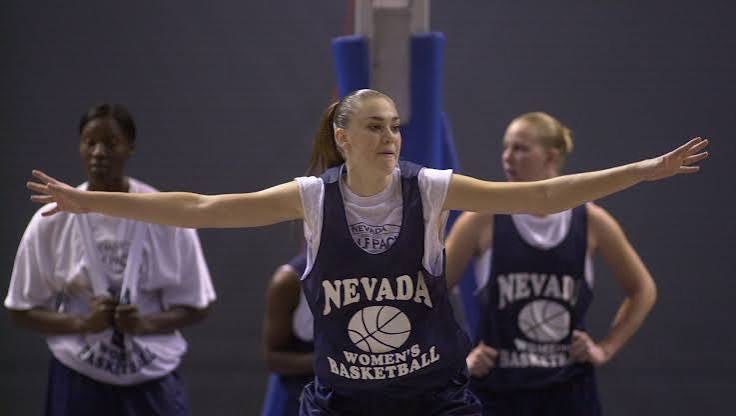
Orndorff submitted a detailed 34-page account identifying dates, locations and potential witnesses. Williams attended the hearing with an attorney, while Orndorff said she could not afford legal representation.
Yet the panel did not interview a single witness before reaching its decision.
According to court records examined by ProPublica and The Washington Post, ten people later corroborated aspects of Orndorff’s account during civil proceedings. The board also failed to consider an earlier allegation against Williams from 2005, despite its chairman having previously responded to that complaint.
In May 2018, the AAU cleared Williams, citing insufficient evidence and concerns about Orndorff’s credibility. He returned to his paid position, earning approximately $84,000 annually.
Orndorff subsequently pursued civil litigation, which settled in 2023 without a determination of the allegations. Williams’ AAU membership had been terminated in 2022.
Former Board of Review member Peg Adams later acknowledged that the panel lacked consistent written standards for deciding whether coaches should be banned.
Congress is now demanding those procedures, including how the AAU investigates complaints, evaluates evidence and holds its own officials accountable.
4. How Did the AAU Keep Abuse Allegations Out of Court?
In 2018, Iowa youth basketball coach Greg Stephen was arrested for sexually exploiting young players. He subsequently pleaded guilty to federal offences involving the exploitation of minors and received a 180-year prison sentence.
Stephen had coached through Barnstormers Basketball, an AAU-affiliated programme. Families of former players subsequently sued the AAU, alleging that it had failed to enforce safeguarding policies, including restrictions on coaches sharing hotel rooms with young athletes.
But the organisation had another defence: the membership agreements signed when children registered to compete.
Those agreements contained arbitration clauses requiring families to resolve disputes against the AAU privately rather than through ordinary court proceedings. The AAU successfully argued that the families’ claims belonged in arbitration, preventing a public trial of their allegations against the national organisation.
The ruling did not establish whether the AAU had adequately protected the players. It determined where the families could pursue their claims.
According to ProPublica’s investigation, the families also faced limitations on the insurance coverage available for abuse claims, including a $1 million policy limit shared among potential claimants.
Congress restricted the enforcement of compulsory arbitration clauses in sexual assault and harassment disputes in 2022. Nevertheless, the AAU attempted to enforce an arbitration agreement in another sexual abuse lawsuit involving a teenage volleyball player in Florida in 2024. That case settled in 2025.
5. What Happens to the AAU Now That Congress Is Investigating?
The AAU has grown considerably despite years of questions about its safeguarding arrangements. Its annual revenue increased from approximately $24 million in 2021 to nearly $44 million in 2024, as it expanded into sports including volleyball, swimming, gymnastics and flag football.
Some of that growth came in direct competition with national governing bodies subject to stricter SafeSport oversight. In swimming, for example, ProPublica found clubs paying approximately $20 per athlete to register with the AAU, compared with more than $70 through USA Swimming. Lower fees and simpler administration made the AAU attractive to clubs, but also raised questions about whether its safeguarding arrangements kept pace with its expansion.
Congress now wants answers.
In the investigation announced on 7 October, bipartisan leaders of the House Energy and Commerce Committee demanded records of abuse complaints, disciplinary decisions, investigation procedures, coach training and the AAU’s use of confidential arbitration.
AAU president Jo Mirza must provide a requested briefing by 21 October. The organisation has pledged to cooperate and maintains that it operates comprehensive athlete protection policies.
The immediate question is whether the AAU can demonstrate that the safeguards it promised in 2012 are now being enforced across an organisation serving hundreds of thousands of young athletes.