Russia is back. On July 7, the International Olympic Committee lifted the suspension of the Russian Olympic Committee, ending four years in which Russian athletes could only compete as flagless neutrals admitted one by one.
Russian athletes can now qualify for the Los Angeles 2028 Games on a full national team. FIFA is considering doing the same thing.
Now, Russia’s suspension had nothing to do with doping.Russia was banned in 2023 for annexing Ukrainian sports organisations in occupied territory. According to the IOC, Russia has given up gave up its claim to those bodies and therefore, the IOC’s lawyers concluded the grounds for suspension were gone.
The Sports and Crime Briefing has previously revealed how egregious this is and the amount of death and destruction wrought upon Ukrainian athletes by Russian violence.
The Long Game: How Russia Walked Back Into World Sport

On April 13, World Aquatics Bureau announced that Russian and Belarusian athletes would compete in swimming, diving, artistic swimming and water polo under their national flags, anthems and uniforms with immediate effect.
But Russia’s older problem, generations of a state-backed doping program, remains open. The IOC even said as much in its decision to reinstate Russia.
“To address the lack of confidence in the global sporting community relating to the return of Russian athletes to international competition and in view of the recent allegations regarding the Russian Anti-Doping Agency (RUSADA)’s governance, and pending confirmation that reinstatement conditions concerning the World Anti-Doping Code have been met, all Russian athletes returning to international competition must meet relevant anti-doping requirements,” it read.
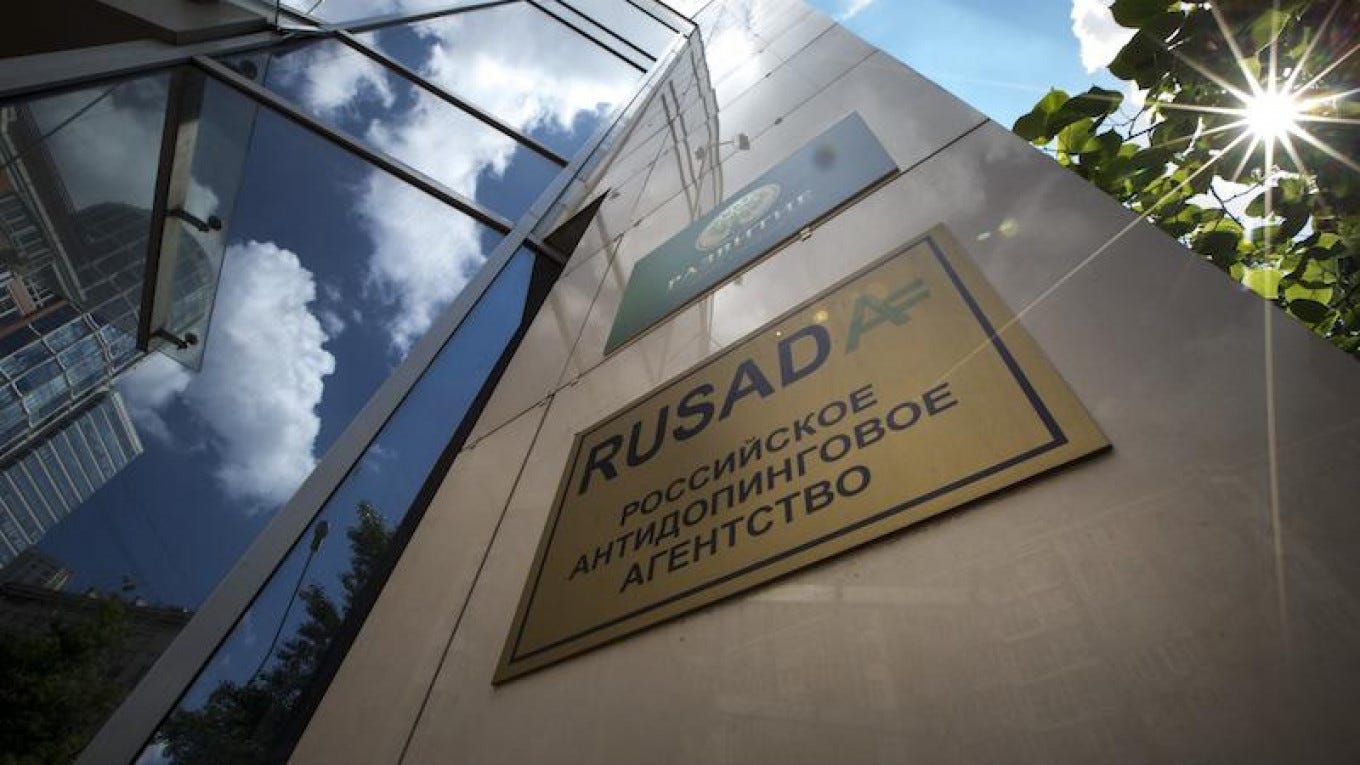
What are the allegations concerning RUSADA’s governance?
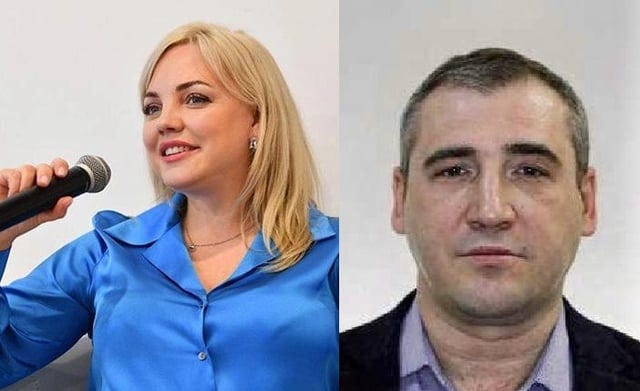
Those allegations concern Veronika Loginova, RUSADA’s director general, who is under two investigations by WADA, the global anti-doping watchdog.
In April, Insider reported that her long-term partner is a serving FSB colonel, Dmitry Kovalov, the very officer Russia’s security service assigns to defend its accused dopers in the Swiss courts.
Jens Weinreich’s Sport & Politics newsletter then tracked that the FSB unit running Russia’s Olympic doping operations also runs its political hit squads, including the poisoning of Alexei Navalny.
Loginova has been neither charged nor sanctioned, and nothing has been proven.
But her situation raises a more basic question than her own conduct: in the ten years since Russia’s doping exile began, has its anti-doping system improved at all?
There are four ways to check.