

On 2 September, the NBA imposed some of the most severe sanctions in its history.
The Los Angeles Clippers were fined $30 million and stripped of five consecutive first-round draft picks between 2029 and 2033, cutting them off from one of the league’s main routes for acquiring elite young players.
Owner Steve Ballmer was suspended for a year, senior executives Gillian Zucker and Lawrence Frank also received suspensions, star player Kawhi Leonard was ordered to pay $700,000 and Leonard’s former business manager Dennis Robertson was barred from dealing with NBA teams for five years.
Ballmer initially disputed the findings, but has since said the Clippers will accept the penalties and move on.
For those among you not basketball-mad, Kawhi Leonard is one of the most decorated players of his generation. He is a two-time NBA champion and twice the Most Valuable Player of the NBA Finals.
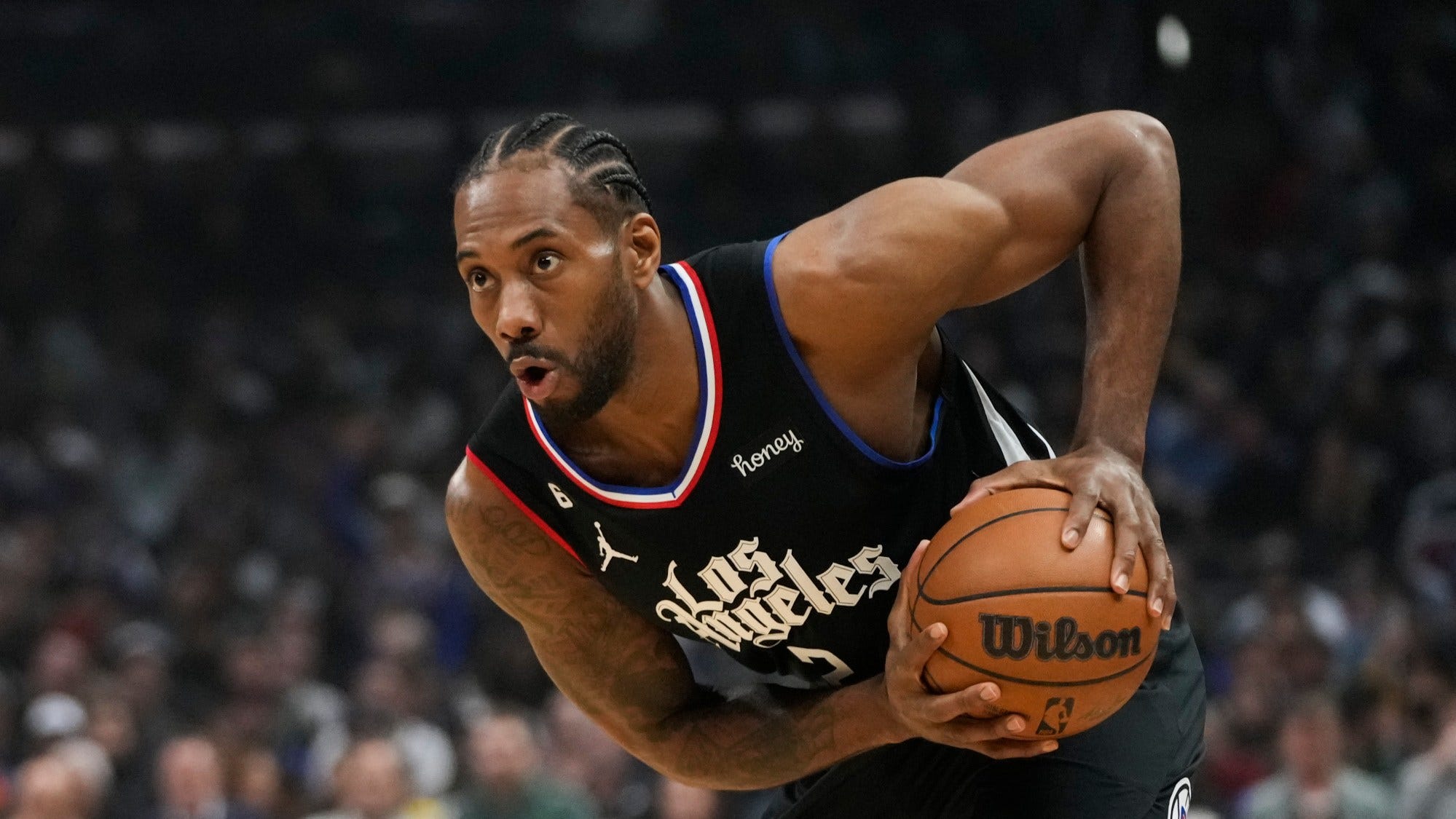
In 2019, he led the Toronto Raptors to their first championship before leaving for the Clippers, who spent the following years trying to build a title-winning team around him.
Ballmer, the former chief executive of Microsoft, is meanwhile one of the wealthiest owners in professional sport.
The case began in September 2025, when investigative journalist Pablo Torre revealed a deal under which Leonard was due $28 million from Aspiration, a sustainability company backed by Ballmer.
Torre found no public evidence that Leonard had promoted the company. This triggered a year-long NBA investigation into whether the Clippers had helped generate outside income for Leonard through companies that were simultaneously doing business with the team.
But the problem went far deeper.
The implications reach beyond basketball. Clubs and teams across modern sport rely on dense networks of sponsors, suppliers, insurers, technology companies and other commercial partners. The Clippers case shows what can happen when those relationships overlap with restrictions on athlete compensation and competitive spending.
The Sports and Crime Briefing breaks down 8 takeaways from the Kawhi Leonard scandal.
1. The NBA Found a Pattern of Corruption
The scandal first looked relatively simple. In September 2025, journalist Pablo Torre revealed that Leonard had signed a four-year, $28 million endorsement agreement with Aspiration. The deal had never been publicly announced and there was little public evidence that Leonard had actually promoted the company.
Aspiration had also received a $50 million personal investment from Ballmer. The obvious question was whether this was really an endorsement or a way of getting additional money to Leonard outside the NBA salary cap.
Torre subsequently published further details of how he had traced money between Ballmer, the Clippers and Aspiration.
But when the NBA published its findings on 2 September 2026, alongside a 36-page report by the law firm Wachtell Lipton, it revealed three previously less prominent companies in the case: wireless-network provider Boingo, scoreboard manufacturer Daktronics and insurance broker Lockton. All three were pursuing or conducting business with the Clippers when they were introduced to Leonard’s representatives.
The common link was Gillian Zucker, then the Clippers’ president of business operations. During a six-day period in June 2020, Zucker introduced executives at all three companies to Dennis Robertson, Leonard’s uncle and longtime business manager, who was negotiating commercial opportunities on the player’s behalf.
Within weeks, Leonard had signed multimillion-dollar endorsement agreements with all three companies. He eventually received a combined $18 million from them. At roughly the same time, each company also entered into substantial business arrangements with the Clippers.
